
Choirs
19 choirs from across Europe — three days, five venues.
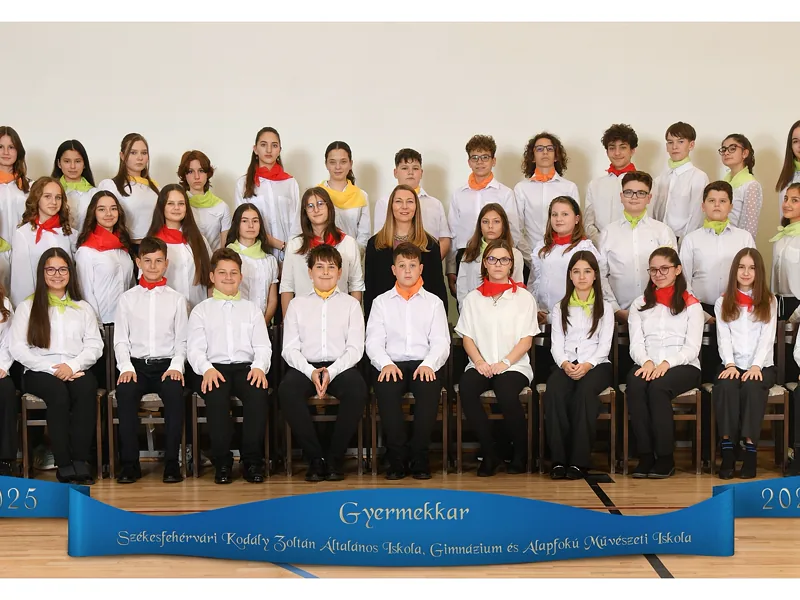
Székesfehérvári Kodály Zoltán Általános Iskola, Gimnázium és AMI Gyermekkara
Children's choir of the Kodály Zoltán Primary, Grammar and Arts School of Székesfehérvár; Hungarian contemporary and folk repertoire.
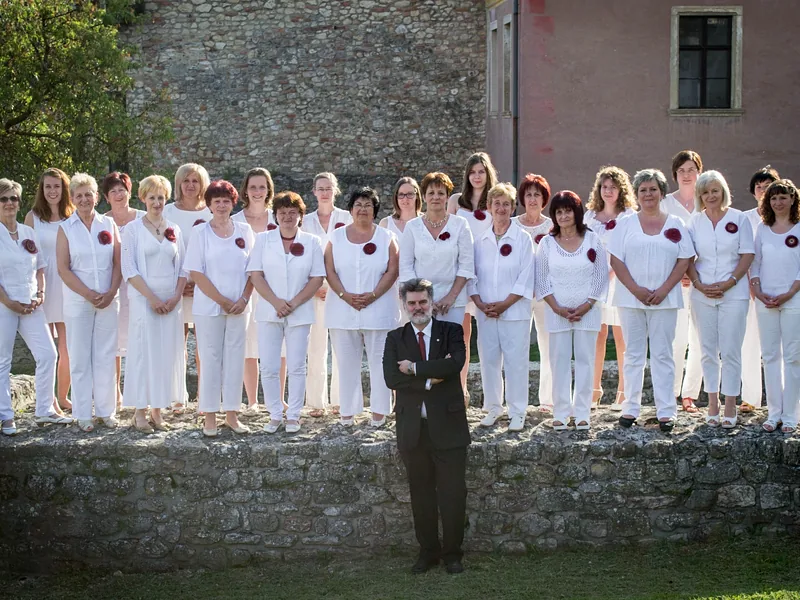
Pécsváradi Női Kamarakórus
Women's chamber choir from Pécsvárad, performing Renaissance, Romantic and contemporary works.
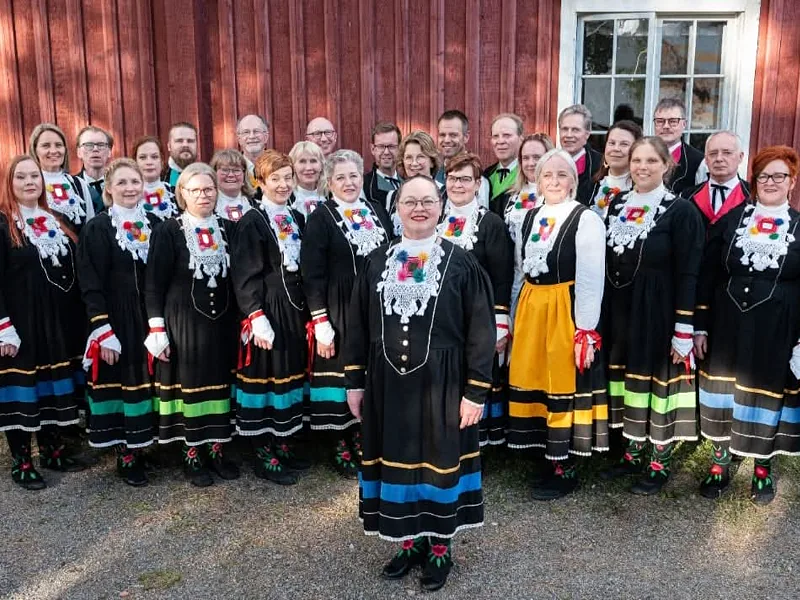
Kaustisen Hääkuoro
Kaustisen Hääkuoro (the "Wedding Choir of Kaustinen") is a Finnish mixed-voice choir from Central Ostrobothnia, based in Kaustinen — the home town of Finnish folk tradition, internationally known for its annual Folk Music Festival. The choir's core repertoire is built around folk songs from the Kaustinen region, complemented by sacred works and pieces by local composers such as Asko Hanhikoski and Aaro Kentala, bridging traditional classics with contemporary writing. The ensemble performs flexibly — as a full choir, in small singing groups, or a cappella. A regular participant in the summer Kaustinen Folk Music Festival, the choir performs at churches across Finland and collaborates with local folk musicians. Their CD "Kansanlaulun Taikaa" (The Magic of Folk Song) was released in 2017. Artistic director and conductor: Marita Kaakinen.
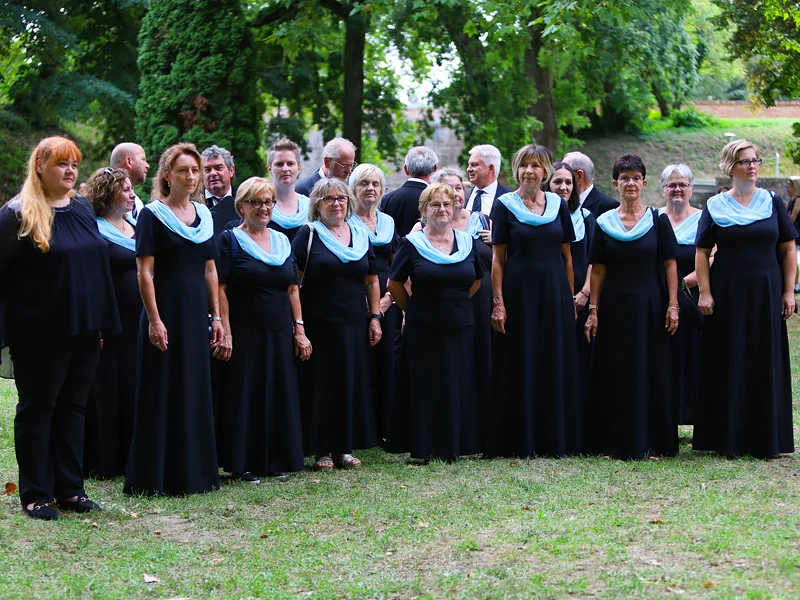
Szigetvári Tinódi Vegyeskar
Mixed choir from Szigetvár; sacred and contemporary works.
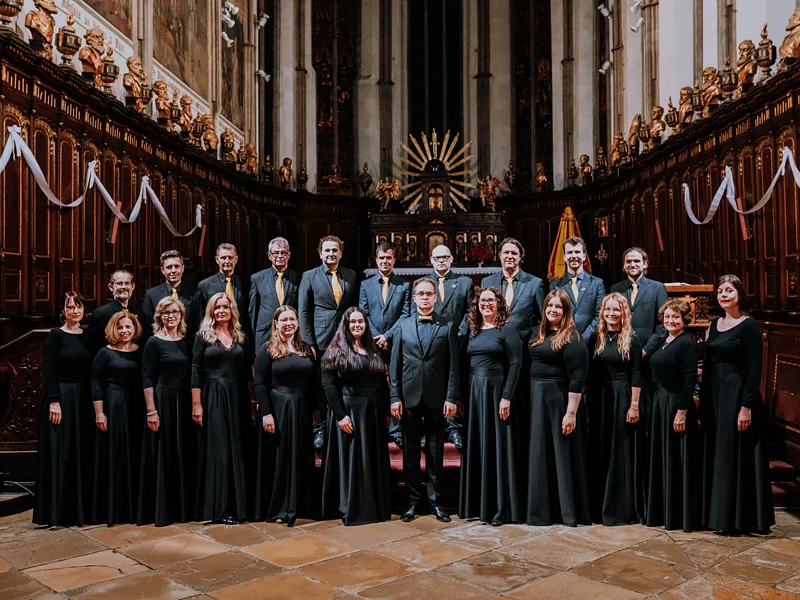
Mixed Choir Tirnavia
Mixed choir founded in 1988 by Gabriel Kalapoš and led since 2014 by Michal Stahl, celebrating its 35th anniversary in 2023. The repertoire spans Renaissance, Baroque, Classical, Romantic, 20th- and 21st-century works, folk songs, spirituals and Christmas carols. Four CDs recorded, with guest performances in Italy, Spain, Switzerland, Poland, Hungary, Czech Republic, Wales, Israel and Norway, and collaborations with leading Slovak and international conductors and orchestras including the Slovak National Theatre Opera and the Slovak Philharmonic.
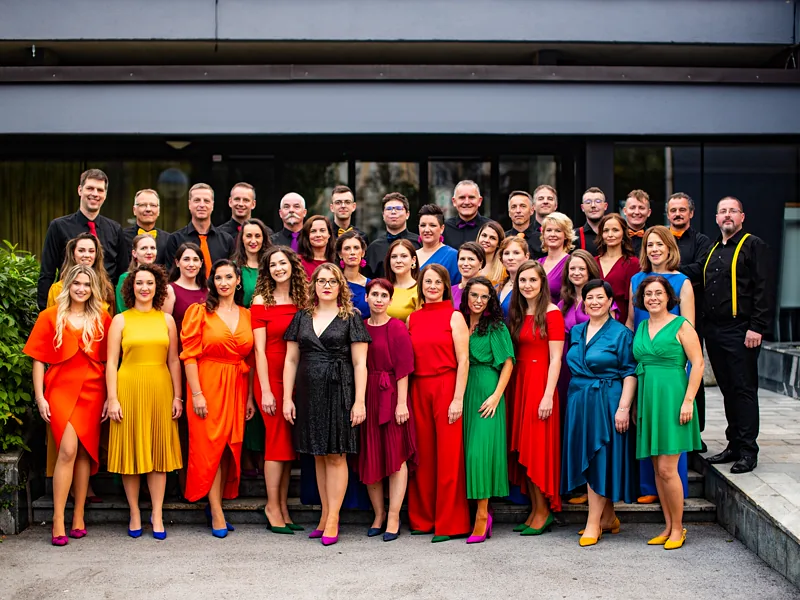
Mešani Pevski Zbor Pomlad Novo Mesto
Slovenian mixed choir from Novo Mesto, active for over three decades. Its diverse repertoire spans classical, contemporary, sacred, folk, gospel and popular arrangements. In 2024 the choir won a Gold Award and a special prize for best performance of a contemporary work at the Slovenian national choir competition Naša pesem, and released its third CD, Barve Pomladi (Colors of Spring). Artistic director: Alenka Podpečan.
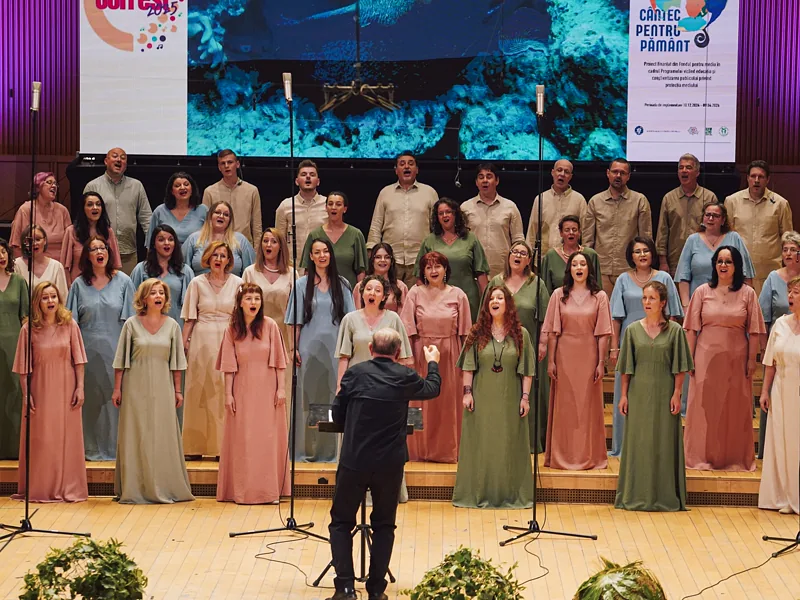
Sound Choir
Bucharest mixed choir (SATB) founded in 1994, originally as part of the Bucharest Students House. The Sound Cultural Foundation supports the choir's artistic and educational projects. The repertoire draws on Romanian and universal choral heritage, from sacred and folk arrangements to contemporary works. Highlights: gold medal at the 2008 Choir Olympics in Graz, 1st prize at the Bad Ischl international competition (1999), Grand Prix and special prize at the Ohrid International Choral Festival (2010), and tours to Vienna, Belgium, the Netherlands and Austria. Conductor: Voicu Popescu.
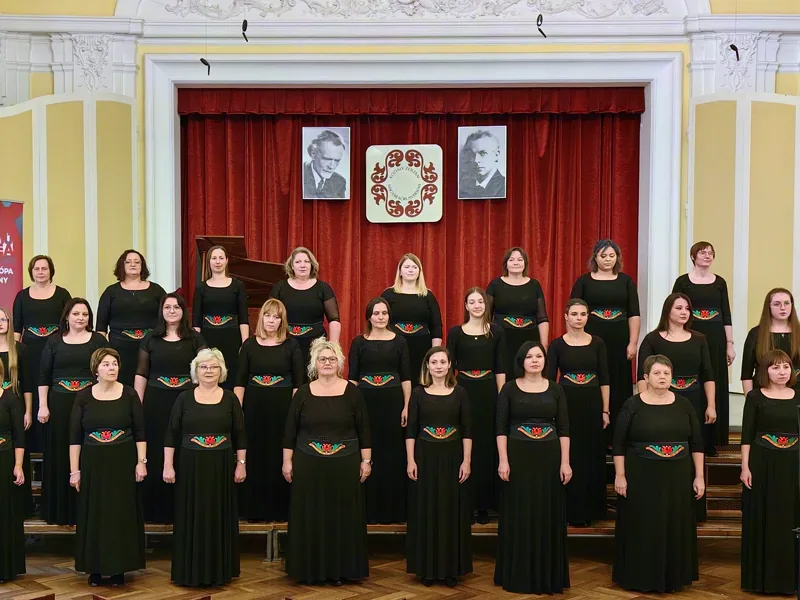
Pro Musica Kamarakórus
Hungarian women's chamber choir from Subotica (Vojvodina, Serbia), founded in 1969 by Gabriella Égető and reorganized as a women's ensemble in 2019. Today the choir brings together high-school and university students, teachers and adults of various professions, united by their love of demanding choral music. Artistic director and conductor since 2012: Krisztina Csikós. With over 900 performances to date, the choir is a regular at the International Choir Festival "Music and the Sea" in Greece (3rd in 2023, 2nd in 2024, 3rd in 2025) and earned a silver diploma at the Kodály Zoltán Choir Competition in Budapest (2025).
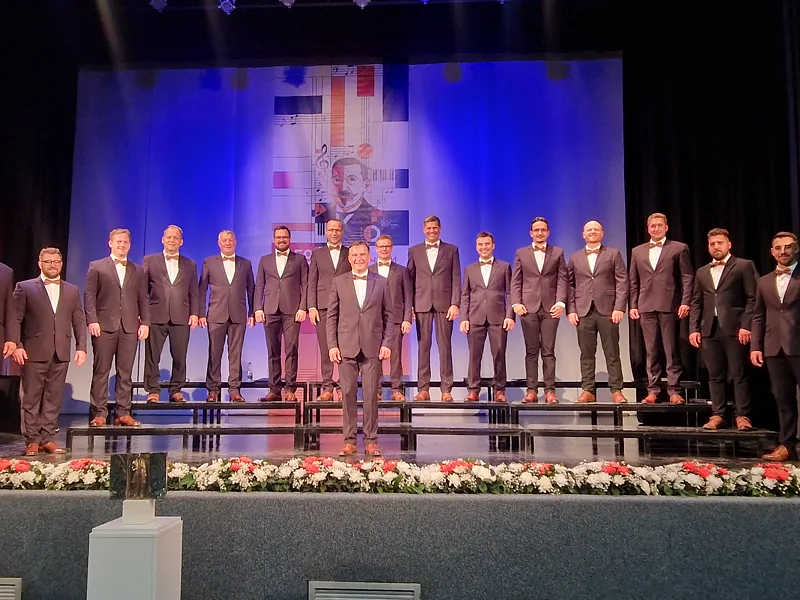
Male Choir Planina pri Sevnici
Slovenian male choir founded in 1969 — a voluntary, non-profit cultural society active for 56 years, currently with 18 members, almost half of whom have professional music education. All members are also local firefighters and form the Fire Brigade Male Choir. Their artistic director since 1992 is music pedagogue Matej Romih. Milestones: 2013 CD release for the 140th anniversary of composer Josip Ipavec; hosting by the President of the Republic of Slovenia, Borut Pahor (2022); best stage performance award at the 59th "Mokranjčevi dani" choir competition in Negotin, Serbia (2025).
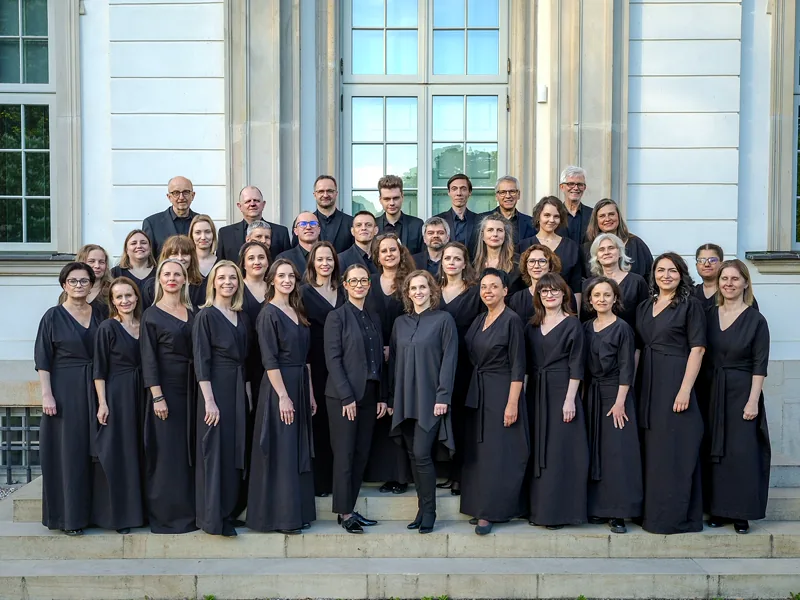
VRC Choir
Polish vocal ensemble founded in 2009. The repertoire spans contemporary, early and traditional music, with a distinctive sound and a flair for projects at the intersection of music, theatre, literature and performance. In October 2025 the choir received the Annual Award of the Minister of Culture and National Heritage in the music category. Recorded albums include Stabat Mater, VRC nadobranoc, Common Roots and VRC po kolędzie. Artistic Director and Principal Conductor: Dr hab. Joanna Maluga; Second Conductor: Dr Anna Waligóra-Tarnowska.
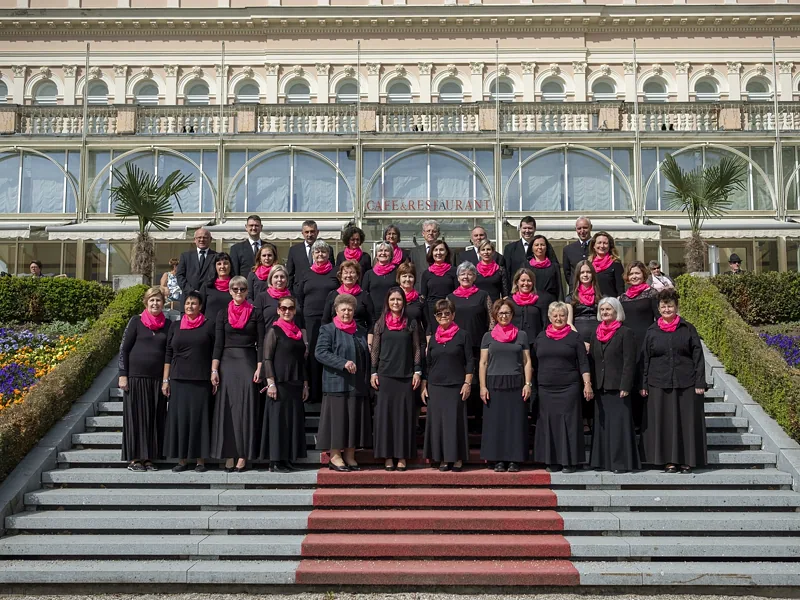
Mohácsi Bartók Béla Vegyeskar
The Mohács Bartók Béla Mixed Choir was founded in autumn 1977 by its first conductor, György Krausz. He passed the baton to Dr. Péter Hoppál in 1996, then to Ákos Véghelyi in 2009; Benedek Szatmári led the choir from 2019 to 2021, and since September 2021 the conductor has been Márta Imréné Ivánfi. The choir's core repertoire is built around major oratorical works — Händel's Messiah, Monteverdi's Vespro, Kodály's Missa Brevis and Psalmus Hungaricus, Mozart's Requiem and Credo Mass in C — performed with the Pécs Symphony Orchestra and renowned soloists. Since 1986 the choir has toured regularly across Europe: Germany, Austria, France, Finland, Italy, the Vatican, England, Poland, Turkey, Slovakia, Croatia, Ukraine and Romania. In 2011 the choir performed Mozart's Credo Mass at Salzburg Cathedral, conducted by János Czifra. Honours and awards: "Festival Choir" rating (1987, 1992), "Concert Choir" rating (2000), Baranya County Award of Excellence (2000), silver at the Musica Mundi competition in Budapest (2001), 2nd prize and special award at the Kodály Zoltán Hungarian Choir Competition (2003). The choir released its first solo album on its 30th anniversary. The choir is a regular contributor to the cultural life of Mohács and the surrounding region, taking part in the international Whitsun Choir Festival, the joint Advent concerts of the Mohács choirs, and the commemorative concerts marking the anniversary of the Battle of Mohács.
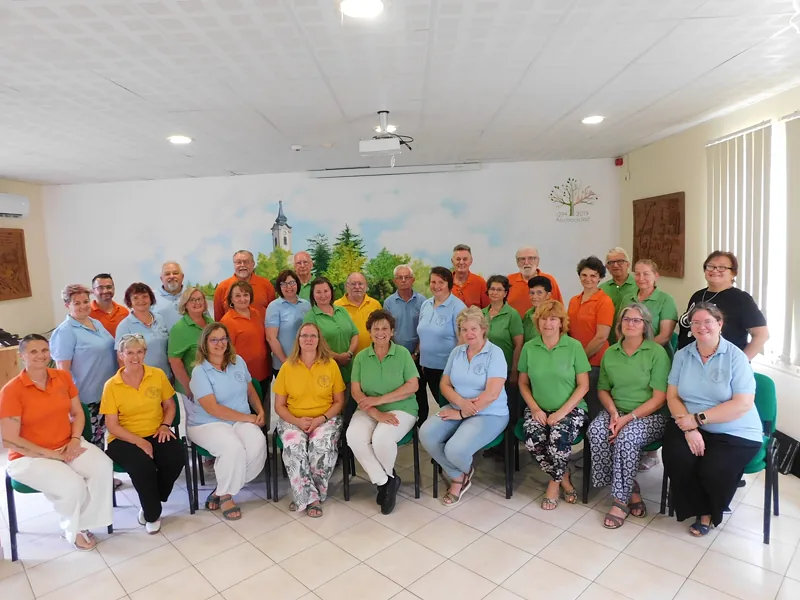
Siklósi Tenkes Vegyeskar
Mixed choir from Siklós; Renaissance and Hungarian Romantic repertoire.
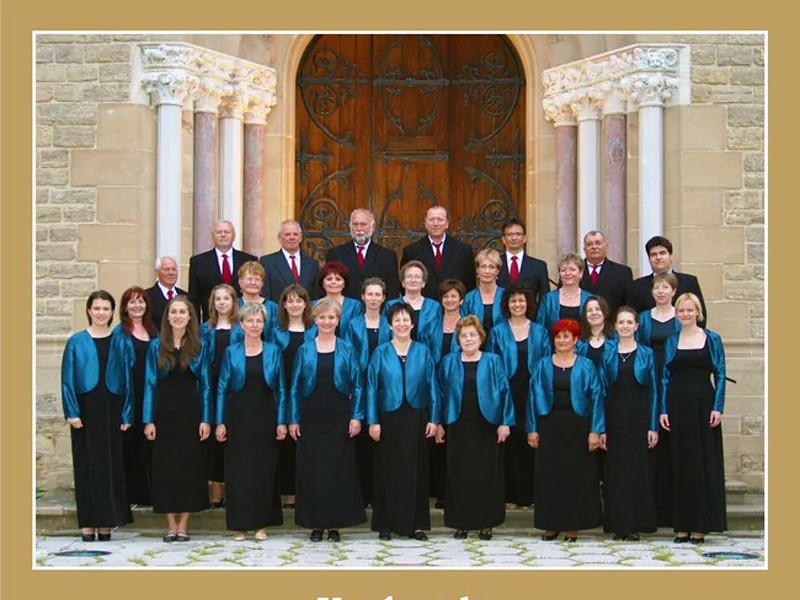
Bólyi Vegyeskar
Mixed choir from Bóly; sacred and Romantic repertoire.
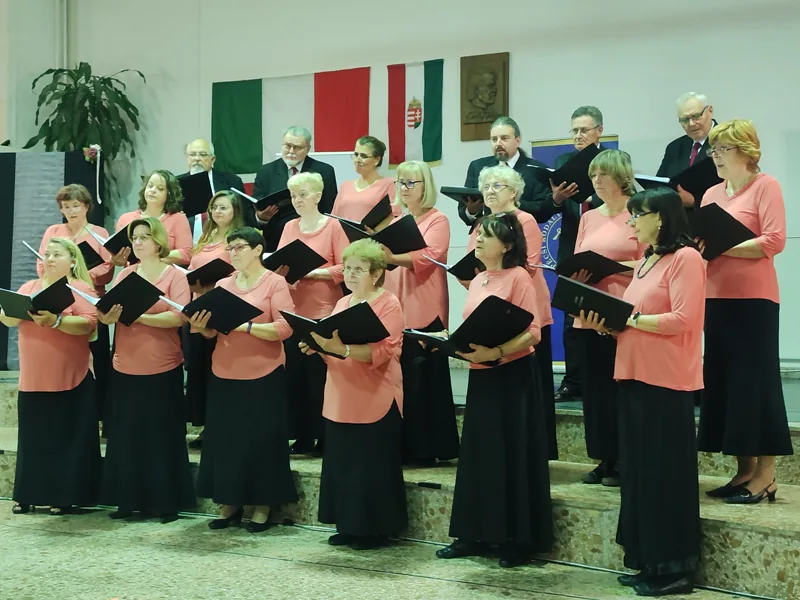
Komlói Munkáskórus
Workers' choir of Komló; Baroque, Romantic and Hungarian songs.
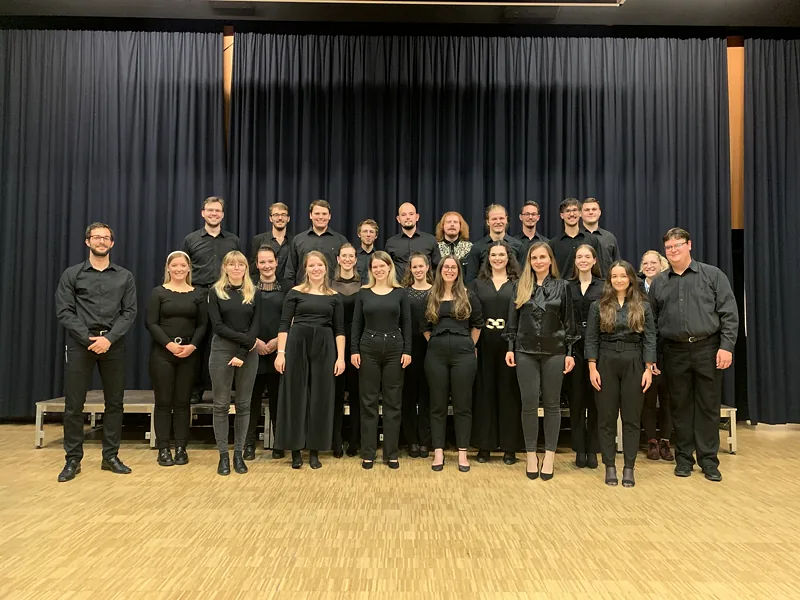
Fermata Vegyeskar
Mixed choir from Pécs; bio coming soon.
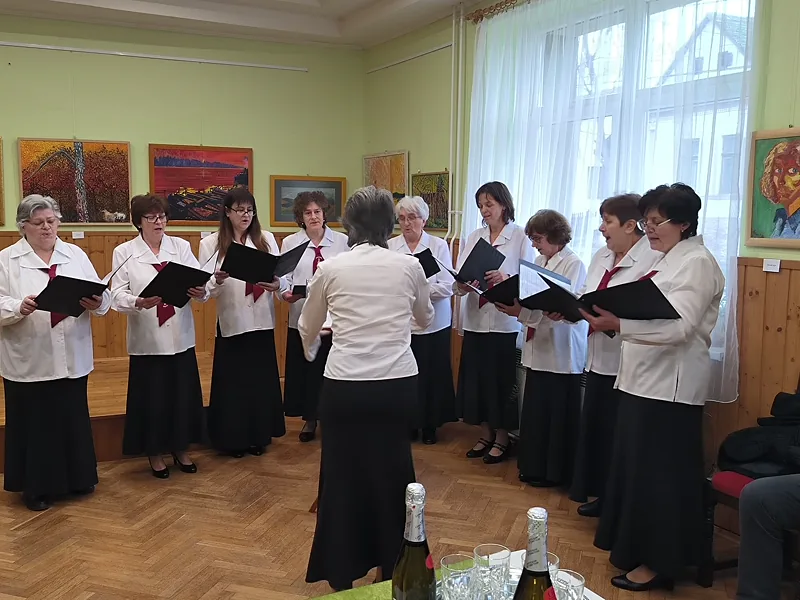
Harmónia Énekegyüttes
Vocal ensemble from Majs; bio coming soon.
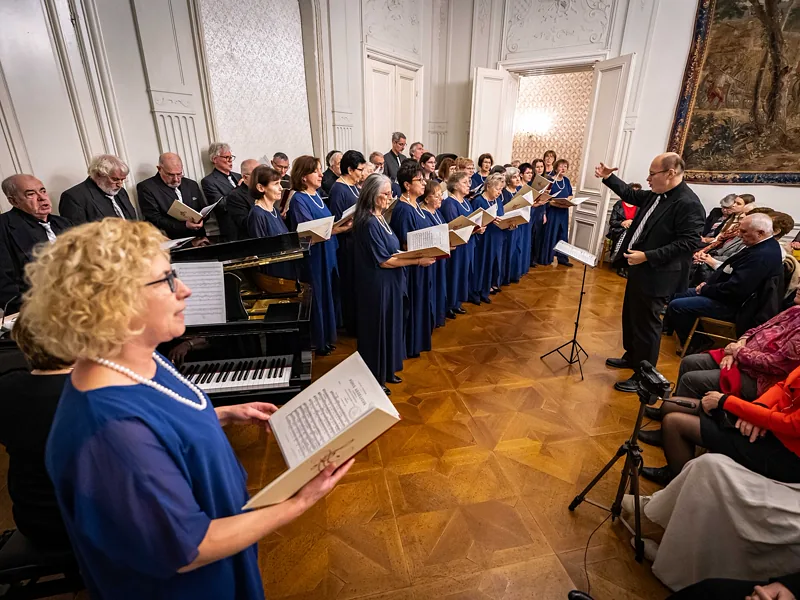
Helikon Kórus
Choir from Keszthely; bio coming soon.
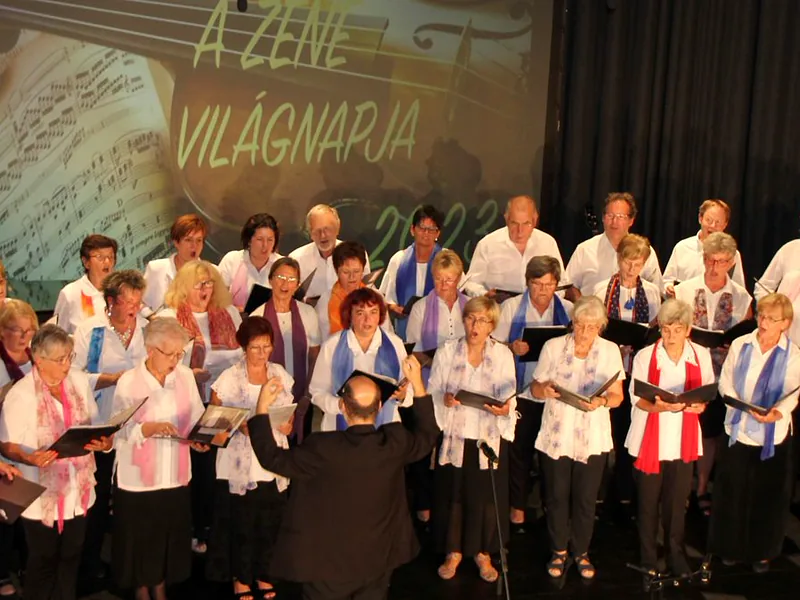
Tapolcai Vegyeskar
Mixed choir from Tapolca; bio coming soon.
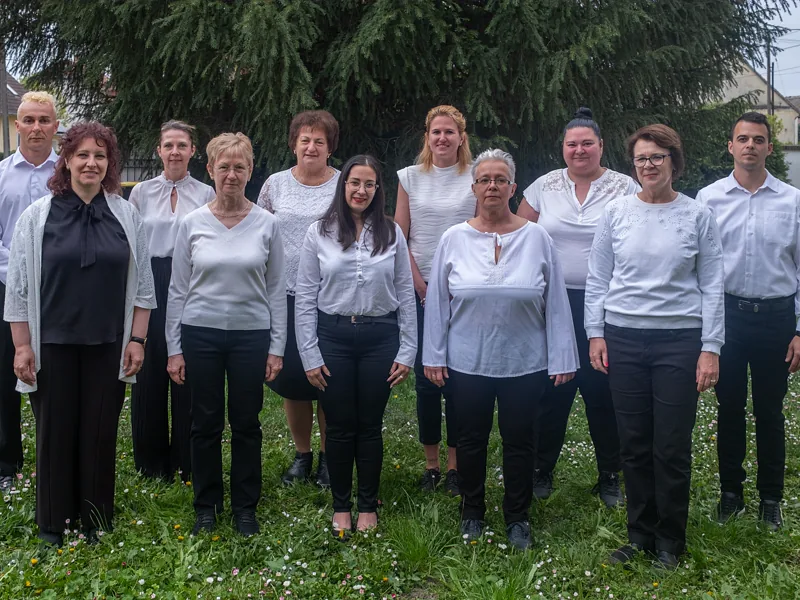
Zenekedvelők Kórusa
Mixed choir from Mohács; bio coming soon.